What Homeowners Should Know About Tree Lopping Before Tree Removal Is Considered
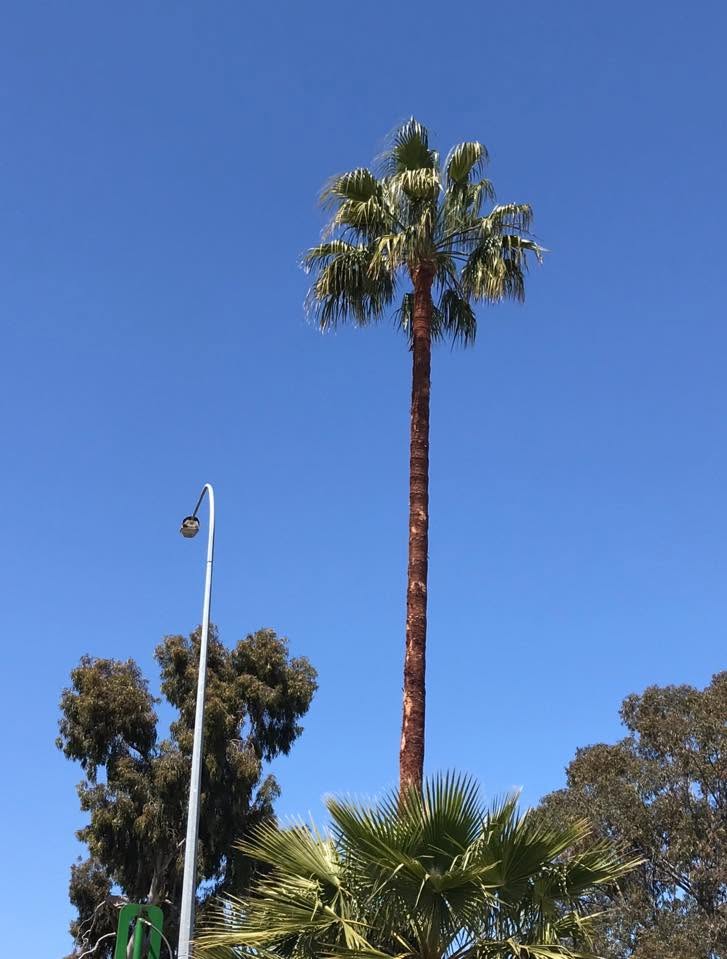
Trees add value, shade, and privacy to residential properties, but as they mature, they can also create maintenance and safety challenges. While many homeowners assume tree removal is the only solution for an overgrown or problematic tree, a professional Tree Lopping Service may provide an effective alternative in certain situations.
Understanding the role of tree lopping can help High Wycombe property owners make informed decisions before committing to complete tree removal.
Professional Tree Lopping Services for Managing Growth and Safety Concerns
Tree lopping is often used to manage excessive growth, improve clearances, and reduce risks associated with heavy or overextended branches. When performed correctly, it can help restore balance to a tree while maintaining its presence within the landscape.
Common Situations Where Tree Lopping Is Recommended
Tree lopping may be considered when:
- Branches extend over roofs or driveways
- Trees interfere with access areas
- Canopies become excessively dense
- Growth affects nearby structures
- Certain limbs create safety concerns
In many cases, these issues can be addressed without removing the entire tree.
Tree Lopping and Tree Removal | Understanding the Difference
Although both services address tree-related concerns, they serve different purposes. Tree lopping focuses on reducing growth and managing risks, while tree removal is typically reserved for trees that can no longer be safely retained.
When Tree Maintenance Remains a Practical Solution
Trees that are structurally sound often benefit from ongoing maintenance through tree lopping, tree pruning, and arborist inspections. These services can improve safety, appearance, and long-term management outcomes.
When Removal May Be the Better Option
Some trees develop issues that cannot be resolved through maintenance alone, including:
- Advanced decay
- Severe storm damage
- Root instability
- Significant structural defects
In these situations, tree removal may provide the safest outcome.
Arborist Assessments That Support Better Decisions
Before deciding between tree lopping and tree removal, a professional arborist assessment can provide valuable insight into a tree’s condition.
Evaluating Health and Structural Stability
Arborists assess factors such as:
- Tree health
- Structural integrity
- Growth patterns
- Potential hazards
- Future maintenance requirements
This information helps determine the most appropriate management strategy for the property.
Managing Overgrown Trees Around Homes and Outdoor Spaces
As trees mature, expanding canopies may affect visibility, accessibility, and the usability of outdoor areas. Tree lopping can help improve clearance around homes, driveways, fences, and entertaining spaces while reducing pressure on selected branches.
Addressing growth concerns early often creates more management options and may help avoid larger problems in the future.
Storm Damage and Hazardous Branches | When Action Should Not Be Delayed
Storms can expose weaknesses that were not previously visible. Broken limbs, cracked branches, and canopy damage can quickly become safety concerns if left unattended.
Recognising Signs of Damage
Property owners should monitor for:
- Hanging branches
- Split limbs
- Sudden leaning
- Visible structural damage
- Unstable growth
Depending on the severity of the damage, arborists may recommend tree lopping, pruning, or complete removal.
Finding Professional Tree Lopping Services in High Wycombe Before Tree Problems Escalate
Choosing between tree lopping and tree removal is not always straightforward. Every tree presents unique challenges based on its condition, location, and long-term management requirements. Seeking professional Tree Lopping Services in High Wycombe early can help identify practical solutions before minor concerns become significant safety risks.
Whether the best option involves tree lopping, tree pruning, arborist assessments, or tree removal, professional advice can help protect your property while supporting healthier and more manageable outdoor spaces.