
What Homeowners Should Know About Gisborne Arborist Services and Tree Safety Standards
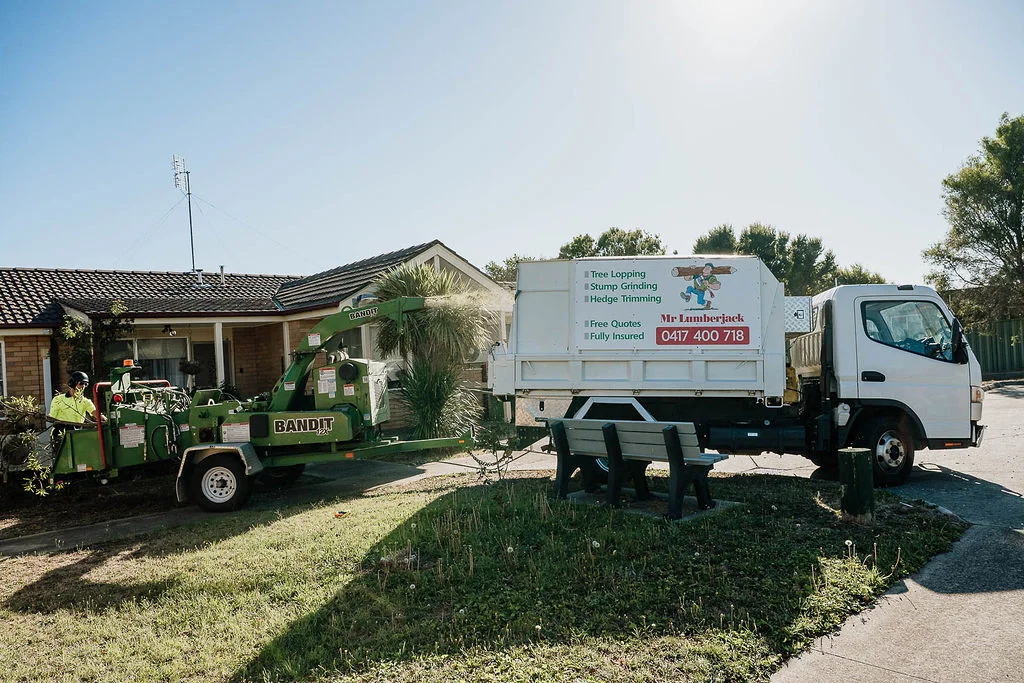
Trees play an important role in improving property value, shade coverage, privacy, and environmental health throughout Gisborne. However, maintaining large trees safely requires professional knowledge, especially when dealing with aging trees, overgrown canopies, structural defects, or trees located near homes and public spaces. Many homeowners are unaware that improper tree maintenance can create serious safety risks, increase liability concerns, and lead to costly property damage over time.
Across the Macedon Ranges region, qualified arborists help property owners manage tree health, assess potential hazards, and ensure trees are maintained according to recognised safety and industry standards. From tree inspections and canopy management to hazard assessments and vegetation maintenance, professional arborist services support both long-term tree health and property safety.
Understanding how arborist services operate and why tree safety standards matter can help homeowners make informed decisions when managing mature trees around residential and commercial properties.
Why Professional Arborist Services Are Important for Tree Health and Property Safety
Trees that appear healthy externally may still contain hidden structural weaknesses, decay, pest infestations, or root instability. Without proper assessment, these problems can worsen over time and increase the likelihood of branch failure or tree collapse.
Professional arborists help homeowners by:
- Identifying hazardous tree defects
- Monitoring tree health conditions
- Assessing structural stability
- Managing overgrown tree canopies
- Recommending pruning or removal when necessary
- Reducing risks near homes and public areas
Many property owners seeking arborist services in Gisborne are often looking for expert guidance on maintaining mature trees safely while preserving the overall health and appearance of their landscape.
Understanding Tree Risk Assessments and Hazard Identification
One of the most important parts of arboriculture involves identifying potential safety risks before tree failures occur.
Detecting Structural Tree Defects
Arborists inspect trees for trunk cavities, cracks, weak branch unions, fungal growth, and signs of internal decay that may compromise structural integrity.
Assessing Leaning Trees and Root Stability
Trees growing on sloped land or in saturated soil conditions may develop unstable root systems over time.
Identifying Deadwood and Dangerous Branches
Dead or damaged limbs can become hazardous during high winds or storms, particularly around driveways, roofs, and pedestrian areas.
Monitoring Tree Health and Disease Symptoms
Arborists assess leaf condition, canopy density, bark health, and pest activity to identify underlying tree health issues early.
Tree Pruning Standards and Safe Canopy Management Practices
Proper tree pruning requires more than simply removing branches. Incorrect cutting techniques can weaken tree structure, encourage disease, and reduce long-term stability.
Crown Reduction for Large Overgrown Trees
Crown reduction pruning helps reduce excessive branch weight while maintaining the tree’s natural structure.
Canopy Thinning to Improve Airflow and Stability
Selective thinning may reduce wind resistance and improve sunlight penetration through dense canopies.
Deadwood Removal for Improved Tree Safety
Removing dead or decaying branches can reduce hazards and improve overall tree health.
Clearance Pruning Around Homes and Structures
Trees growing near roofs, fences, garages, and powerlines may require strategic pruning to maintain safe clearance distances.
How Arborists Help Maintain Tree Safety Near Residential Properties
Trees located close to homes or public spaces require ongoing monitoring to reduce safety risks and prevent property damage.
Professional arborists commonly assist with:
- Tree inspections before storms
- Branch overhang management
- Root impact assessments
- Vegetation management near structures
- Preventative maintenance programs
- Long-term tree preservation planning
Regular inspections are especially important for mature gum trees and large established species common throughout Gisborne.
Tree Removal Standards and When Removal Becomes Necessary
While tree preservation is often preferred, some trees may become unsafe due to structural instability, disease, severe decay, or irreversible damage.
Hazardous Tree Removal for Unsafe Trees
Trees with major structural failure or compromised root systems may require complete removal to prevent future risks.
Safe Sectional Tree Dismantling Methods
Large trees near homes are often removed in controlled sections using rigging systems and elevated equipment.
Arborist Assessments Before Tree Removal
Professional arborists evaluate whether pruning, canopy reduction, or preservation options remain viable before recommending removal.
Understanding Tree Protection and Local Vegetation Considerations
Many established trees may be subject to local vegetation protections or council regulations depending on species, size, and location.
Arborists may assist homeowners by:
- Providing arborist reports
- Assessing significant trees
- Supporting permit applications
- Identifying protected vegetation
- Advising on tree management compliance
Professional guidance can help property owners avoid complications when managing regulated trees.
Stump Grinding and Post-Removal Site Safety
After tree removal, leftover stumps and root systems can still create practical and safety issues around properties.
Preventing Trip Hazards and Surface Obstructions
Large stumps may interfere with landscaping, construction, or pedestrian access.
Managing Root Decay and Pest Activity
Decaying stumps can attract termites, fungi, and other unwanted pests over time.
Preparing the Area for Landscaping or Replanting
Stump grinding creates a cleaner surface suitable for turf installation, paving, or future planting projects.
Why Preventative Arborist Maintenance Can Reduce Long-Term Costs
Routine tree care often helps property owners avoid expensive emergency work and structural damage caused by neglected trees.
Preventative arborist maintenance may help:
- Improve tree longevity
- Reduce storm damage risks
- Identify structural defects early
- Maintain property appearance
- Lower future maintenance costs
- Reduce liability concerns
Long-term tree management plans can be especially valuable for properties with multiple mature trees or large established landscapes.
Need Reliable Arborist Advice in Gisborne? Speak With Professionals About Tree Safety and Long-Term Tree Care
Managing large trees safely requires more than occasional pruning or reactive maintenance. Trees affected by structural weakness, overgrown canopies, disease, root instability, or storm exposure can gradually become serious safety concerns for homes and properties across Gisborne.
Qualified arborists understand the challenges associated with maintaining mature trees throughout the Macedon Ranges region, particularly where large eucalyptus trees, dense vegetation, and residential developments coexist. Whether you require tree inspections, canopy management, hazard assessments, tree pruning, stump grinding, or guidance on tree preservation, professional arborist support can help improve both safety and long-term tree health.
Homeowners seeking experienced arborists often prioritise safe work practices, industry knowledge, and practical recommendations that support responsible tree management. Early inspections and preventative maintenance can also help reduce future risks associated with falling branches, structural tree defects, and storm-related damage.
If you are concerned about tree safety, overgrown vegetation, or the condition of mature trees around your property, arranging a professional arborist assessment can help identify potential issues before they become more serious or costly to manage.